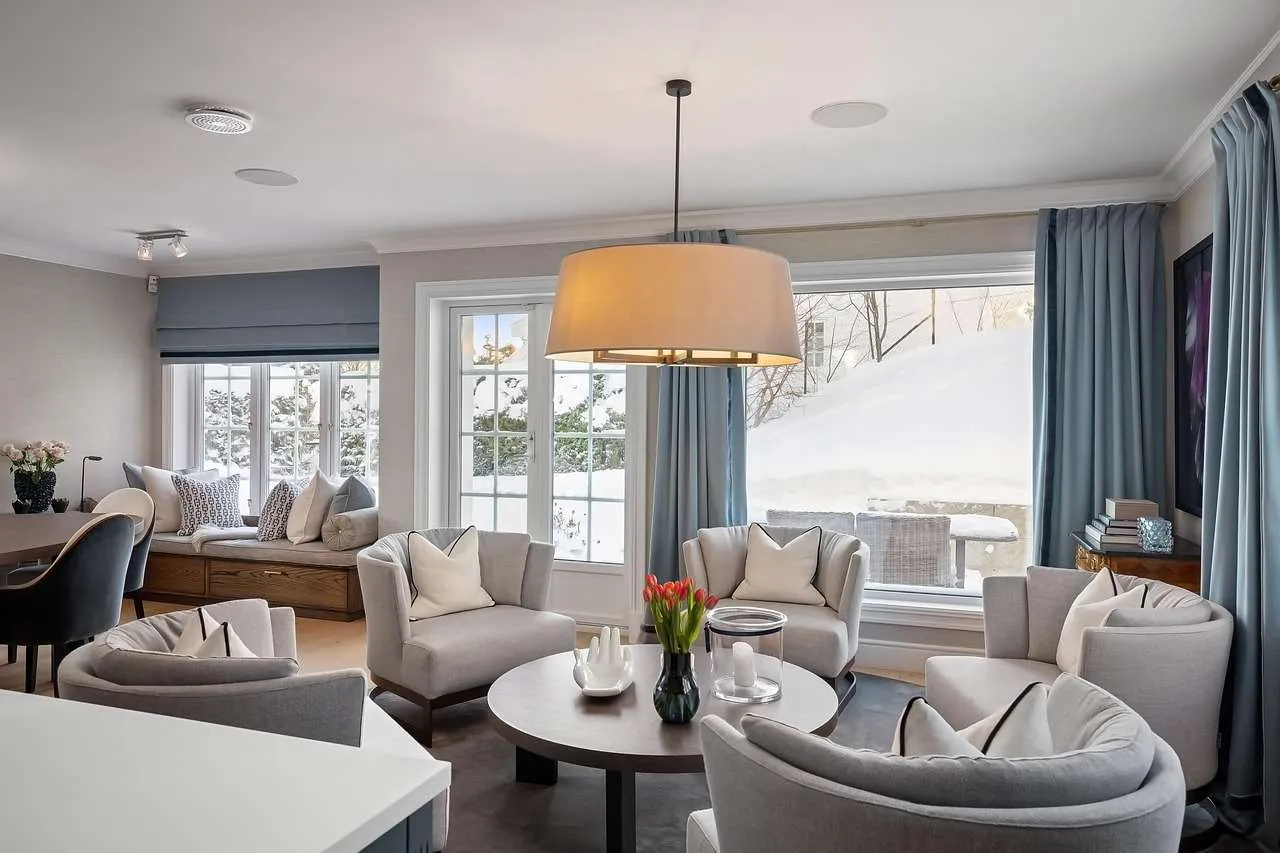
With more than ten years of experience producing credible home improvement content, this guide on home window tinting blends practical guidance with industry insight. The goal is to help homeowners understand the benefits, compare film options, estimate costs, and find a trustworthy installer to maximize value while protecting family and furnishings.
What is Home Window Tinting?
Home window tinting involves applying a thin film to the interior surface of windows. The film reduces solar heat, glare, and ultraviolet UV exposure while maintaining visibility. Films come in a range of shades and technologies, from virtually clear to dark tinted options. When correctly selected and installed, tinting can improve comfort, protect interior furnishings from fading, and contribute to energy efficiency without changing the structural integrity of the window.
Benefits of Home Window Tinting
- Heat reduction: Many films cut solar heat gain significantly, improving comfort on hot days and reducing the load on cooling systems.
- UV protection: High quality films block up to 99% of UV rays, helping prevent furniture fading and skin damage indoors.
- Glare control: Tinting reduces glare on screens and tabletops, making rooms more usable during peak sun hours.
- Privacy and aesthetics: Depending on the shade and film type, tinting enhances privacy while preserving outward visibility.
- Furniture and flooring longevity: By limiting UV exposure and heat transfer, tinting slows fading and deterioration of interior materials.
Types of Window Tinting for Homes
Dyed window films
Dyed films are budget friendly and provide good glare reduction and privacy. They are less effective at heat rejection and can fade over time, so they are often an entry point for homeowners new to tinting.
Metalized films
Metalized films reflect a portion of solar energy, improving heat rejection. They can add metallic sheen and may interfere with some electronic signals in areas with complex wired systems, so planning and professional installation are important.
Ceramic films
Ceramic films offer strong heat rejection, high UV protection, and excellent clarity without conductive metals. They are among the most durable and versatile options for homes with large glass areas.
Hybrid and laminated films
Hybrid films combine ceramic and dyed components for a balance of cost and performance, while laminated privacy films add an extra layer of safety by holding shattering glass pieces together in a breakage event.
Considerations Before Tinting
Before choosing a film, consider the following to ensure the best long-term results:
- UV and heat performance: Look for a label that specifies UV rejection and heat reduction rather than relying on darkness alone.
- Glass type and warranty: Some films affect warranty terms or require professional installation to maintain manufacturer guarantees.
- Reflectivity and HOA rules: Highly reflective films may be restricted in certain neighborhoods or HOAs; check local regulations and guidelines.
- Color stability and maintenance: Some films may yellow or bubble over time if not installed and cleaned correctly.
- Professional installation: Proper surface preparation and adhesion are critical for long film life and performance.
Choosing a Professional Installer
For best results, hire a certified installer with a solid portfolio and written warranty. Look for installers affiliated with reputable film manufacturers and professional bodies such as IWFA certified technicians. Request references, ask about warranty terms, and ensure the contract specifies exact film type, shade, and sun exposure expectations. A qualified installer will assess your windows, explain film choices, and provide a clear installation timeline.
DIY vs Professional Installation
DIY tinting may tempt budget-minded homeowners, but it risks poor adhesion, bubbles, edge lifting, and warranty voids. Professional installation ensures proper surface preparation, accurate measurement, and a uniform finish across irregular or large panes. In addition, installers can handle edge sealing and curing requirements that are essential for longevity.
Maintenance and Longevity
Maintaining tinted windows is straightforward. Use only non ammonia, non abrasive cleaners and soft cloths to avoid damage to the film surface. Avoid scraping or peeling the film during cleaning, and inspect edges and seals periodically for signs of peeling or bubbling. Quality films installed correctly can last 10 to 20 years depending on climate, window type, and care practices.
Cost Factors and Value
Costs vary by film type, window size, and installation complexity. Typical residential window tinting costs range from a modest per window price for smaller panes to a per-square-foot rate that reflects film quality and the extent of coverage. As a rough guide, homeowners may expect roughly five to fifteen dollars per square foot installed, with premium ceramic or multilayer films at the higher end. While upfront costs can be meaningful, the energy savings, UV protection, and extended furniture life offer ongoing value that can offset the initial investment over time.
Tint Type Comparison
| Tint Type | UV Rejection | Heat Reduction | Glare Reduction | Durability | Typical Cost | Notes |
|---|---|---|---|---|---|---|
| Dyed | Up to 99% | Moderate | Good | Low to Moderate | Low to Moderate | Budget option; color can fade over time |
| Metalized | High | High | Strong | Moderate | Moderate | Reflective appearance; potential electronics interference in some setups |
| Ceramic | Very High | Very High | Excellent | High | High | Best performance and longevity; premium option |
| Hybrid & Laminated | High | High | Excellent | Very High | Moderate to High | Good balance of cost and safety features |
Conclusion
Conclusion, choosing home window tinting involves weighing the benefits of heat and UV reduction against cost, aesthetics, and warranty considerations. By selecting the right film type, hiring a certified installer, and following proper maintenance, you can enjoy a more comfortable home, better protection for furnishings, and potential energy savings over time. Summary: Home window tinting offers meaningful improvements in comfort and protection when paired with professional installation and mindful product choice.
Summary: This article covered what home window tinting is, its key benefits, available film types, important considerations, how to select a qualified installer, maintenance tips, cost factors, and a comparison table to help you decide which option best fits your home and budget. By focusing on credible sources, experienced installers, and reliable products, you can achieve durable results and sustained value for your residence.